
+1 (978) 955-4300 · [email protected] EN · Fleet RFQ desk
AMR fleets for live fulfillment

Locus Robotics warehouse robots planned around recoverable material flow

Translate SKU mix, order lines, aisle geometry, charging access and WMS/WCS handshakes into an AMR operating concept that operations, EHS and controls teams can accept together.

Review Robot Systems
Warehouse AMR material-flow map across receiving storage picking sortation and shipping
  1. ReceiveInbound staging
  2. StoreReserve buffer
  3. PickAMR assist
  4. SortWave release
  5. ShipDock handoff
Fleet safetyScanner fields and traffic rules
Controls matrixWMS / WCS / FMS ownership
Throughput proofSKU mix and peak window
Phased cutoverFallback and SAT gates
Service accessCharging and recovery path
Operating profiles

Three fulfillment environments, three different fleet boundaries

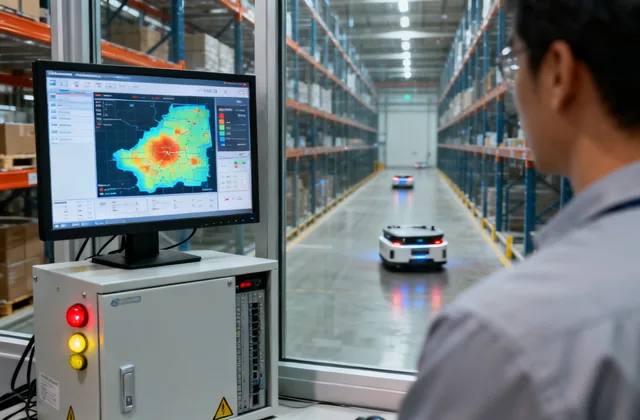
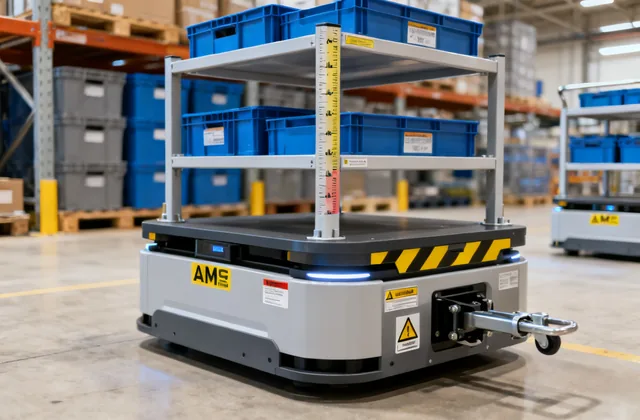
E-commerce AMR picking during peak wave

E-commerce fulfillment

Volatile SKU depth makes associate-robot choreography and replenishment access as important as nominal lines per hour.

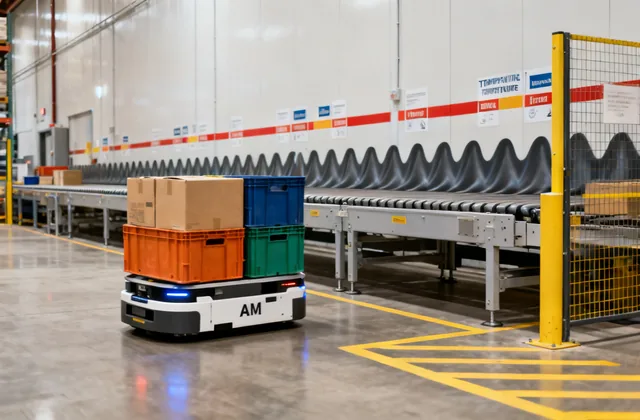
Grocery distribution AMR case movement

Grocery distribution

Wave departure windows and mixed case sizes require buffer discipline and clear exception disposition for damaged packs.

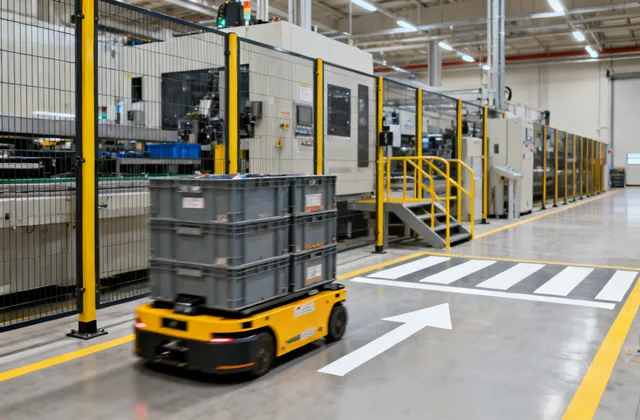
Manufacturing line-side AMR material delivery

Manufacturing supply

Sequence integrity and line-side availability depend on documented handoffs when an AMR or FMS zone is isolated.

Review Operating Profiles
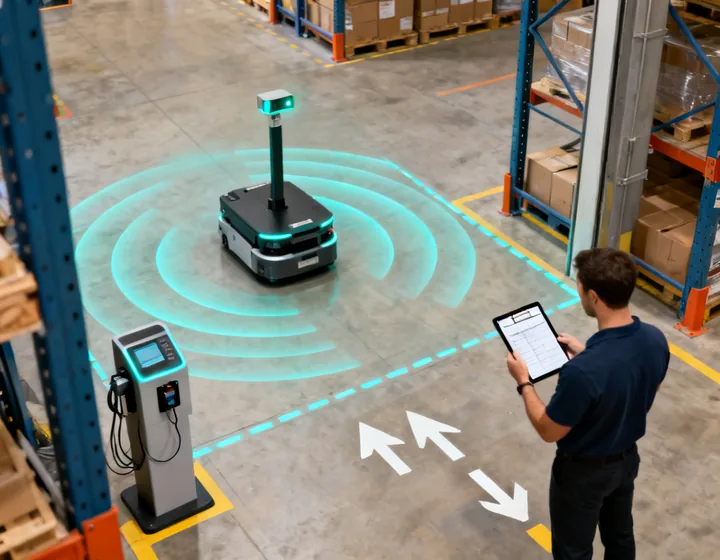
AMR fleet safety field and traffic rule review
Decision checkpoints

Keep safety, rate and acceptance evidence in one conversation

  • Robot fleet safetyRoute maps, scanner fields, charging zones and robot-to-control exception handling become testable requirements, not slide-deck assumptions.
  • Controls responsibility matrixWMS task creation, WCS/WES orchestration, PLC execution and fleet-management ownership each carry alarms, timeouts and evidence.
  • Throughput validationRate claims include SKU mix, order profile, peak window, accumulation, replenishment and the recovery time after an exception.
  • Phased project deliveryBrownfield cutover protects live fulfillment with fallback states, commissioning windows and measurable SAT gates.
  • Service access designMaintenance reach, spare kits and remote-diagnostic limits are written before availability becomes a contractual metric.

Bring the operating data before the robot count

A useful first review can begin with payload envelopes, aisle class, order profile, peak window and the current WMS/WCS ownership map.

  • Daily and peak order-line windows
  • Shared-aisle pedestrian and equipment rules
  • Charging space and power availability
  • FAT/SAT scenarios and fallback operating mode

Start the fleet brief